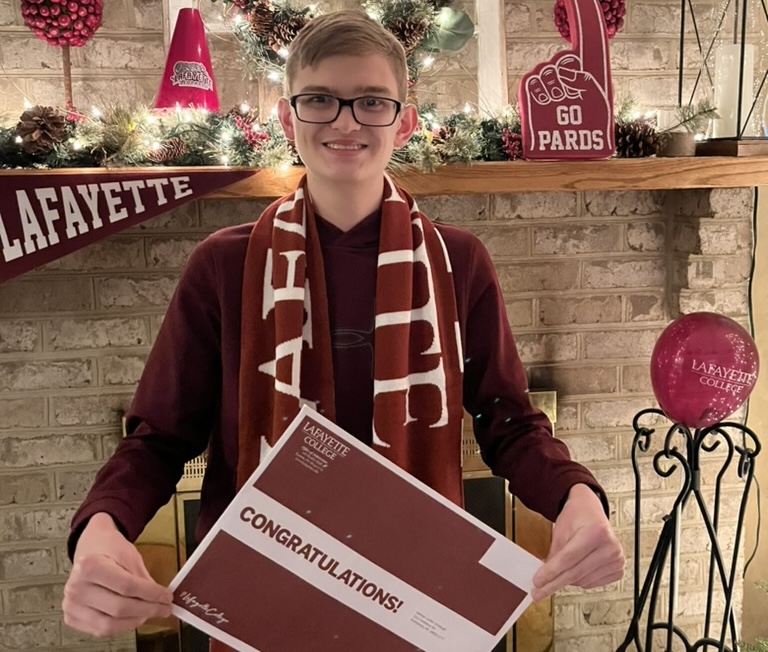
About
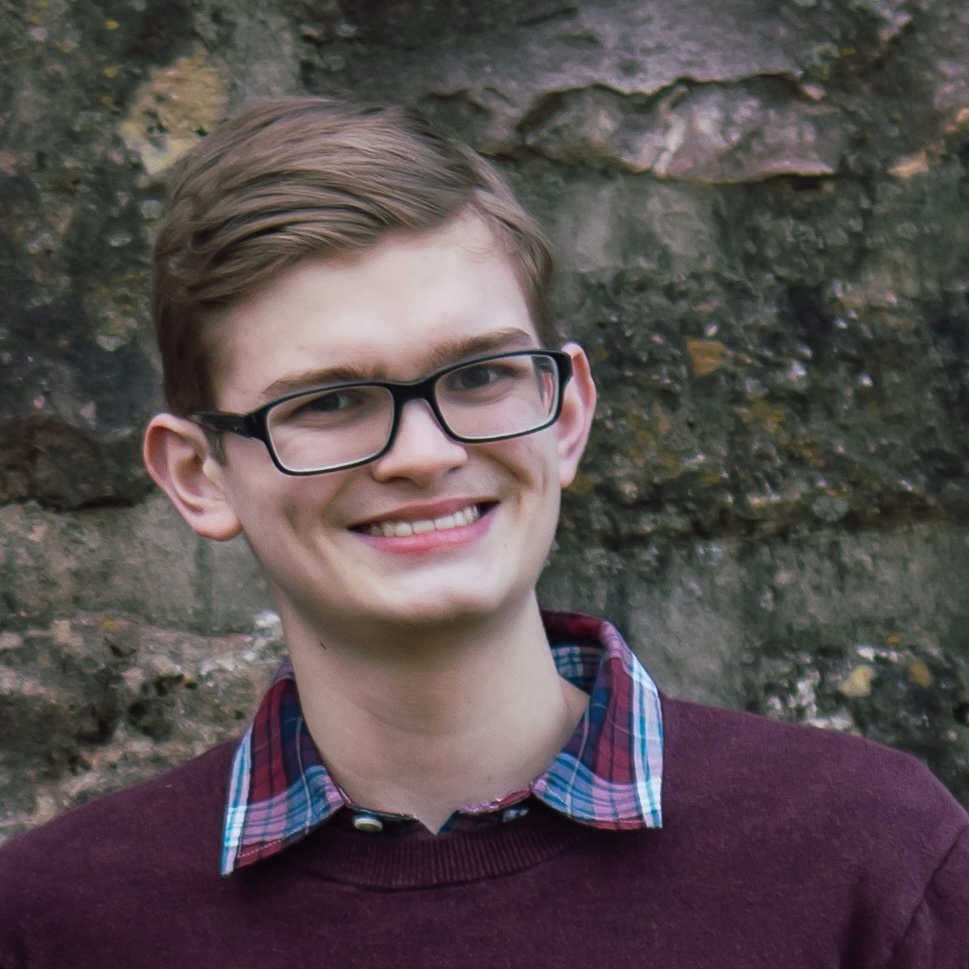
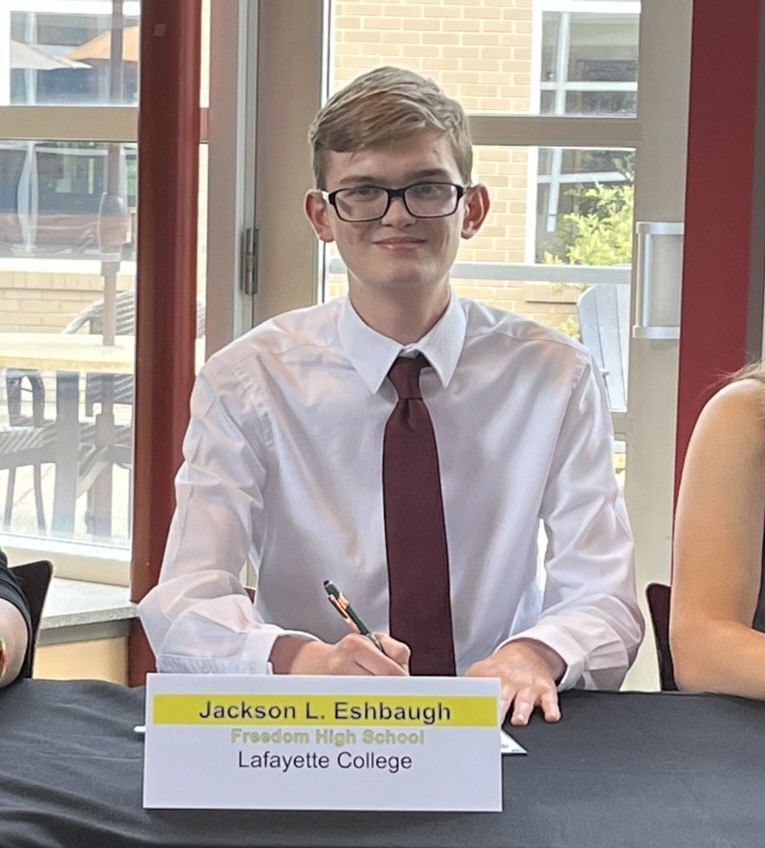
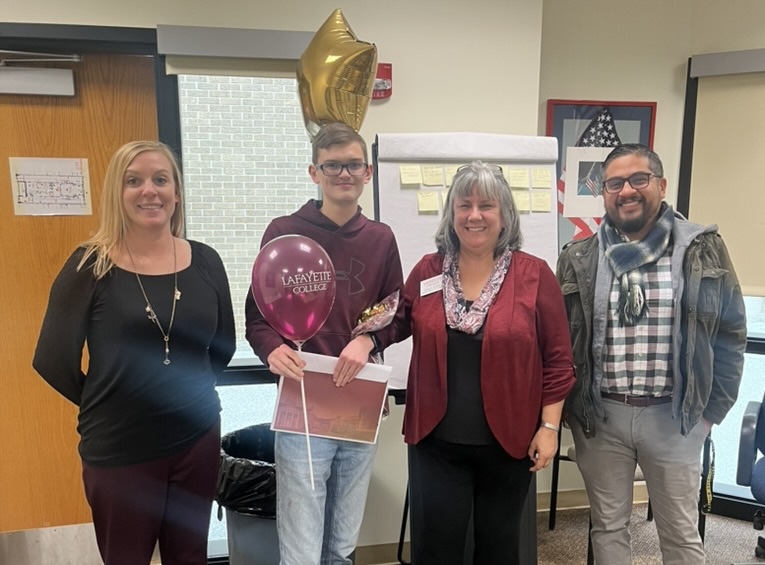
Hi! I’m Jackson Eshbaugh, a computer science and French student at Lafayette College.
I am interested in computational linguistics, machine learning interpretability, and multilingual natural language processing. Broadly, I am fascinated by questions of language, meaning, and representation: how humans structure meaning through language, how machine learning models approximate that process, and how we can better understand the systems we build.
My current research spans several areas of machine learning and natural language processing, including linguistic approaches to idiom understanding, interpretability and evaluation in neural networks, and multimodal machine learning systems. Much of my work is driven by a common question: what does it actually mean for a model to “understand” language? I am especially interested in bringing ideas from linguistics and human language understanding into the design and evaluation of computational systems.
In my research, I am particularly drawn to problems that sit between disciplines. I believe many important questions in AI cannot be answered through engineering alone, but require insights from linguistics, philosophy, cognitive science, and the humanities. My academic work reflects this belief, combining technical machine learning methods with theoretical and linguistic perspectives.
I have conducted research in machine learning interpretability, computational linguistics, and multimodal AI systems, with work appearing at venues associated with machine learning and applied AI research. Beyond NLP, I have also worked on projects involving generative AI for urban building energy modeling and multimodal data synthesis. I have also participated in the peer review process for machine learning and computational linguistics research, including service as a secondary reviewer for ACL Rolling Review and as a reviewer for Machine Learning with Applications.
My interest in computing began early. Growing up surrounded by both science and the arts, I became fascinated not only by technology itself, but by the process of discovery: asking questions, building things, and trying to understand how complex systems work. What first drew me to programming was the realization that computers were not simply tools for calculation, but expressive systems capable of modeling ideas, language, structure, and creativity.
Outside of research, I enjoy teaching, writing, music composition, and exploring connections between technical and humanistic modes of thought. I hope to continue pursuing research and teaching in ways that bridge disciplines and contribute to a deeper understanding of language, intelligence, and learning.